Country Selector
Please enter a valid location
Identify & Control: Common Tansy (Tanacetum vulgare)

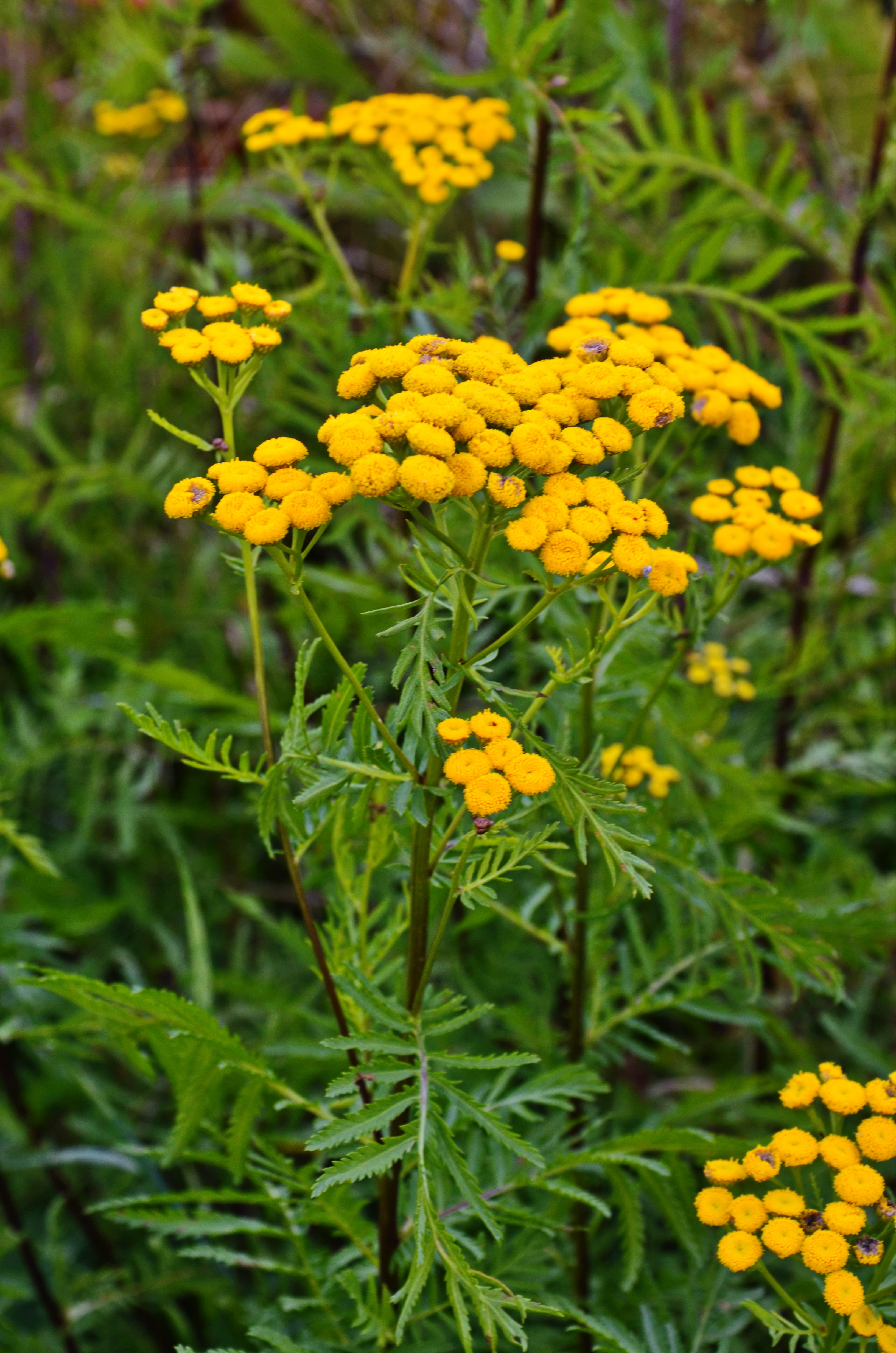
Introduced in North America from Europe in the 1600s, Common Tansy has bright yellow, aromatic flowers and has been used medicinally—despite it being toxic to humans and animals if consumed in large quantities—and as an insect repellent. It forms dense stands that can grow up to 1.5 metres tall, flourishes in full sun, well-drained soil, and reproduces using underground horizontal roots and seeds. It can outcompete and displace native plants, reducing natural biodiversity and available forage for livestock and wildlife1. Common Tansy is most commonly found on stream banks, and along roadsides and other disturbed soil sites.2
Identifying Common Tansy
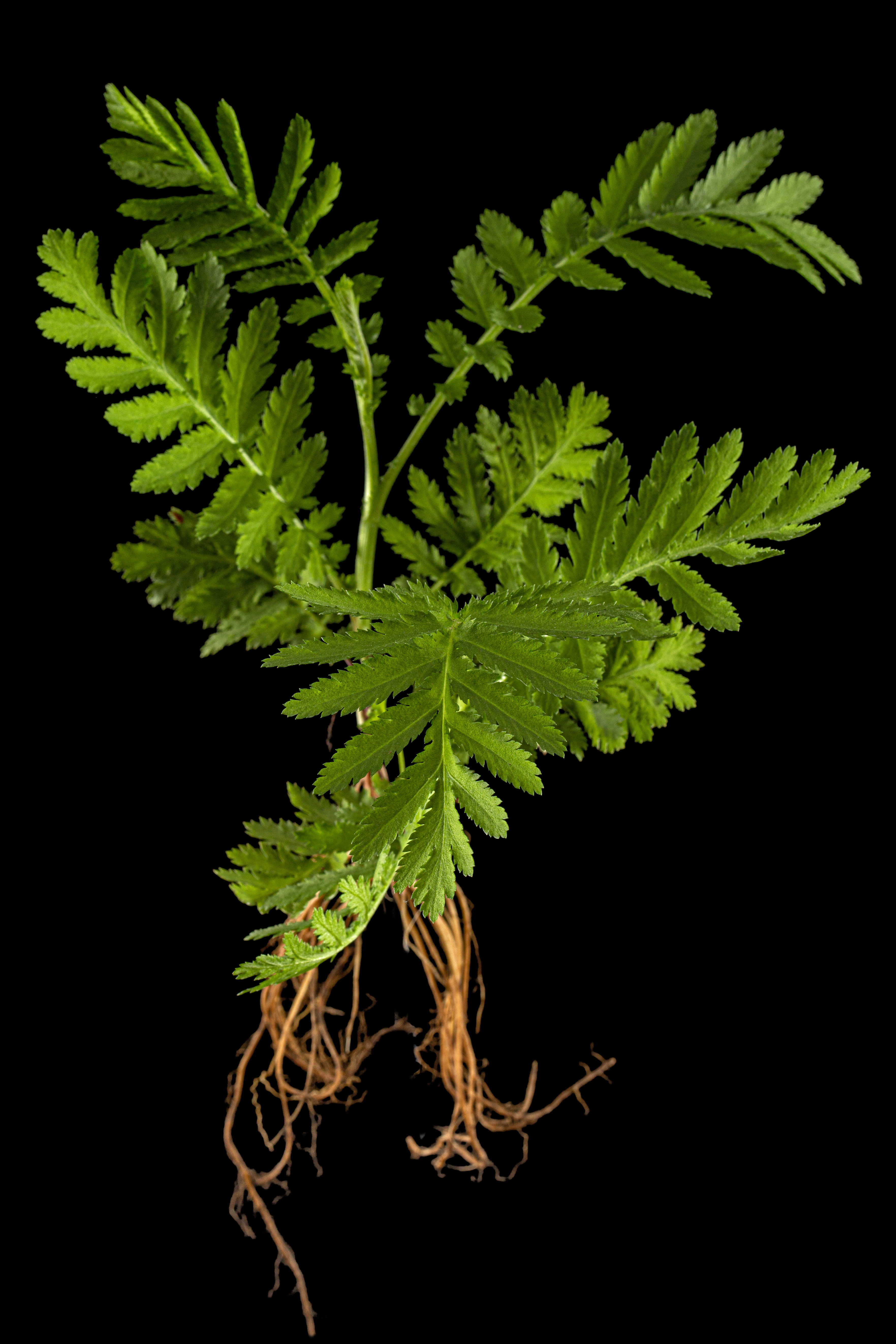
- Stems are branched, erect, a purple-green colour and dotted with glands
- Leaves alternate on the stem, showing thin, individual leaves with toothed edges
- Flowers are button-like and resemble small commercial asters, as the plant is part of the aster family3
- Seeds are yellow-brown in colour with short, five-toothed crowns
Controlling Common Tansy
Common tansy spreads via both roots and seeds. Each plant can produce over 2,000 seeds1 that can remain viable in the soil for up to 25 years4. For this reason, control measures need to be approached with a long-term management plan.
To control Common Tansy, the most effective control method is a herbicide application when it is actively growing from rosette stage to bolting. Two solutions available from Corteva Agriscience ™ include ClearView™ and Sightline™ herbicides.
- Apply ClearView herbicide at 230 g/ha plus Gateway™ adjuvant at 0.2% v/v (200 mL per 100 L of spray solution) or
- Sightline herbicide (230 g/ha of Sightline A + 0.84 L/ha of Sightline B) plus Gateway adjuvant at 0.2% v/v (200 mL per 100 L of spray solution).
Corteva Agriscience has a portfolio of solutions to fit professional vegetation manager's needs. For more information visit IVM.corteva.ca or contact your Corteva Agriscience IVM Expert.
1https://www.tnrd.ca/invasive-plant/common-tansy/
2https://www.natureconservancy.ca/en/what-we-do/resource-centre/invasive-species/common-tansy.html#:~:text=Where%20does%20it%20grow%3F,fertile%2C%20well%2Ddrained%20soil.
3https://en.wikipedia.org/wiki/Tansy
4https://bcinvasives.ca/invasives/common-tansy/